Great road trips from Glasgow

Tips for driving in Scotland
Road trips are a popular way to see Scotland so there are plenty of facilities available across the country. Nevertheless, it’s worth reading up on the different rules and driving conditions to make sure your trip is seamless.
Here are some top tips for driving around the country:
Scotland, like the rest of the UK, drives on the left
Seatbelts are compulsory for all passengers
You must not use a handheld mobile device whilst driving
The drink driving limit is low - it’s best to avoid alcohol entirely if you’re going to be on the roads
Children under 12 who are below 135cm (4ft5in) in height should use a child seat - check with your car hire company as they often provide these
If you’re bringing your own car you will need your vehicle registration and ownership documents at all times, and must have at least third party insurance
Glasgow, as well as Edinburgh, Dundee and Aberdeen, has a low emission zone (LEZ) in the city centre restricting some vehicles with higher emissions
There are a few resources available to help you plan in advance:
Traffic Scotland for information on accidents, breakdowns and roadworks on the trunk road network
Transport Scotland for information on driving in bad weather
Glasgow City Council for information about parking in the city
Visit Scotland for a practical guide to driving in Scotland - including the Highway Code, common hazards, and roundabouts
Traveline Scotland for information about public transport in case you need a plan B
Calmac if you plan to take your car on the ferries
Whether you want to learn more about Scotland’s history, hike through beautiful landscapes or sample some of our gastronomical delights there’s a lot on offer within a short drive from Glasgow. Click on the links below to go directly to each road trip.
West Loch Lomond and Argyll
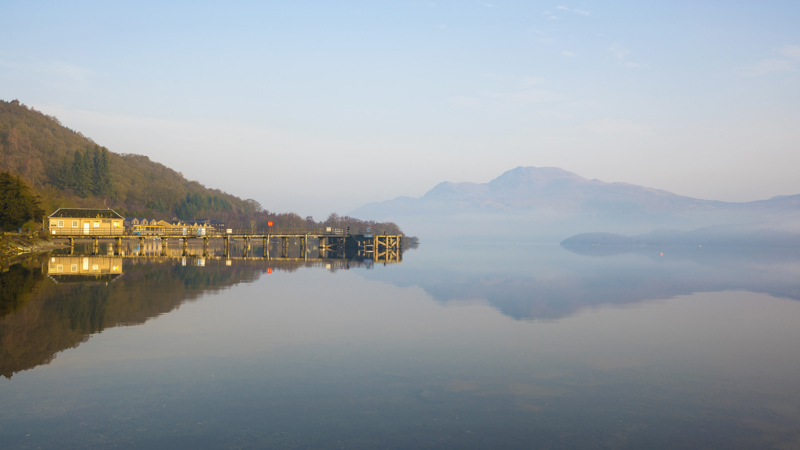
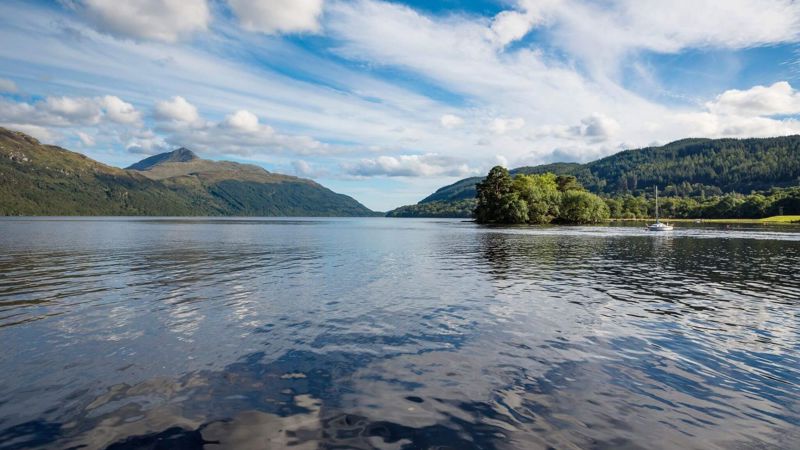
Loch Lomond is the centrepiece of Scotland’s most visited national park. It’s also the largest loch in Scotland, meaning it can be split into two road trips. If you’re more interested in sightseeing, the western route is the perfect option.
Start the journey by driving to Luss. Here you will find some of the best views of Loch Lomond behind 19th century houses and gorgeous gardens. During the summer season there is a water bus connecting the town with other stops on the loch. You can get great views of Ben Lomond whilst on-board. Families will also enjoy the Faerie Trail - an easy walk through the woods.
Continue up west Loch Lomond towards Arrochar. The town is best known for the Arrochar Alps, including the Cobbler - a hill named after its unique shape representing a cobbler bent over whilst working. It takes around 4 hours to climb the Cobbler, but if you’re in a hurry Arrochar is still a great spot for lunch with plenty of cafes, restaurants and picnic spots.
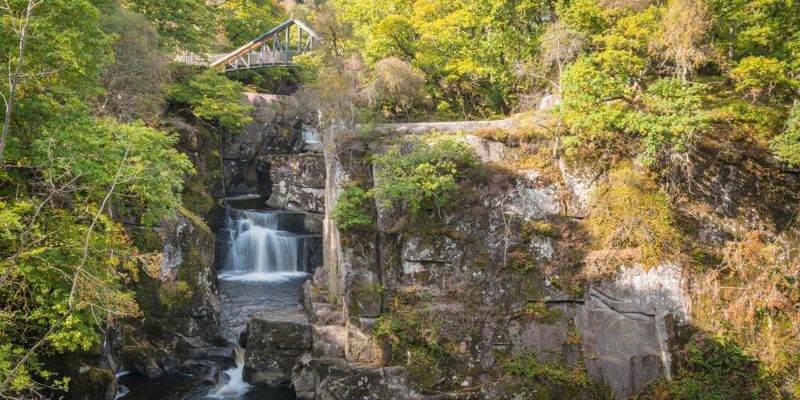
Head back towards Tarbet, where Vikings famously dragged their longships to plunder Loch Lomond, and continue beyond the northern tip of the loch. Stop at the Falls of Falloch car park and walk for five minutes to see the beautiful waterfall. This is an easy walk and also comes with great picnic spots.
Continue along the A82 to Tyndrum. Here you can continue the journey along the A85 or stop at the Green Welly Stop. This pit stop is well known and loved by locals and comes with a restaurant, outdoor gear shops and souvenir shops - as well as food to take home. This is also a great stop if you need to run to the toilet.
Continue along the A85 to Kilchurn Castle - which is closed, but you can enjoy views from the roadside. Finally, keep going to Inveraray which is the last stop on this route. The town is home to a castle and Inveraray Jail - two excellent historic attractions. Grabbing something to eat from Inveraray Seafood Shack whilst admiring the view of Loch Fyne is the perfect end to the trip, before heading back to Glasgow.
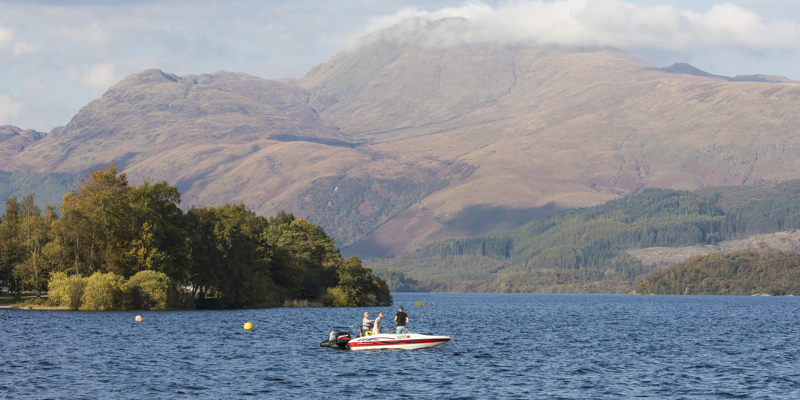
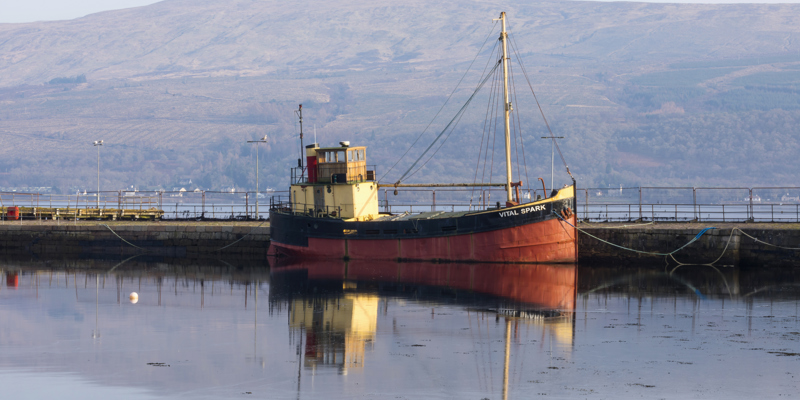
Other stops along the way: Dumbarton Castle is a great option for families, whilst Balloch is a popular gateway to Loch Lomond with an aquarium and country park. Loch Lomond Golf Course is on the way to Luss, whilst Crianlarich is a scenic village between the Falls of Falloch and Tyndrum.
Driving time: 4 - 4.5 hours
East Loch Lomond and the Trossachs
If you like hiking this is a great road trip to Loch Lomond from Glasgow. It has a much shorter driving time - giving you more time to spend on the munros. If you have more time you can combine it with the West Loch Lomond or Queen Elizabeth Forest Park road trips to see more of the area.
The first stop is Balloch. This is home to the Loch Lomond and the Trossachs information centre, and is the best known gateway to the national park. The Maid of the Loch is the last paddle steamer on Loch Lomond, giving you a unique way to take in the outstanding views. SEA LIFE Aquarium and the Loch Lomond Bird of Prey Centre are good options for animal lovers. You can also visit the castle in Balloch Country Park.
The next stop is Balmaha. This town is on the West Highland Way and a popular stopover for hikers. You can grab the water bus here if you want to visit other towns on the loch during the summer. Conic Hill is a two hour hike offering unbeatable views of Loch Lomond and the Highland fault - separating the region from the lowlands.
Finally stop at Rowardennan, which sits at the base of Ben Lomond. It takes 4 - 6 hours to climb the mountain but you will be rewarded with incredible views of the Trossachs. Once you get back to Rowardennan you can grab some typical pub grub at Rowardennan Hotel or enjoy a picnic on the pebble beach. There’s also an honesty box if you want to pick up some baked treats.
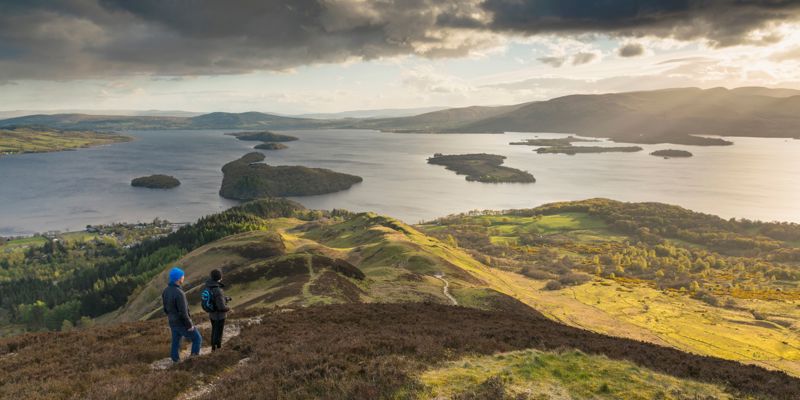
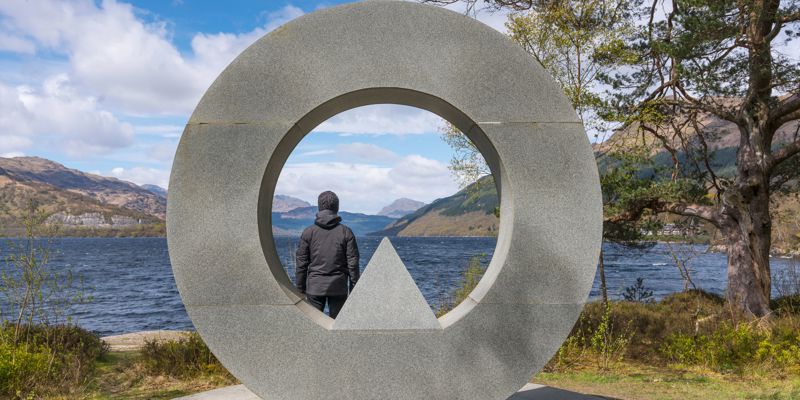
Other stops along the way: You can take the boat to Inchcailloch from Balmaha and hike around the ruins and nature reserves, Drymen also has some shops where you can restock on supplies before your hike. If you want to explore west Loch Lomond you will need to drive back to Balloch, or you can take the water bus if you have a particular town in mind - it’s 45 minutes between Rowardennan and Luss.
Driving time: 1.5 - 2 hours
Queen Elizabeth Forest Park
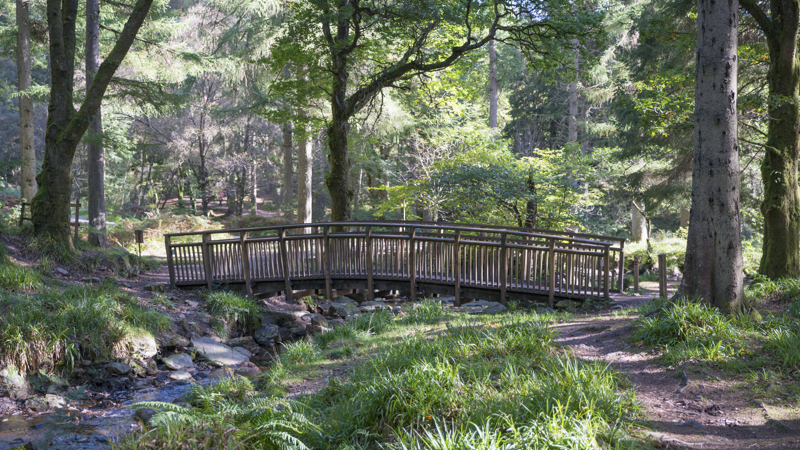
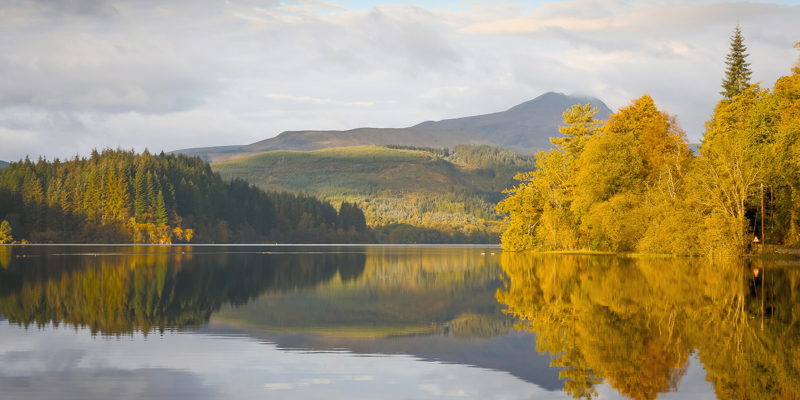
Queen Elizabeth Forest Park was named after Queen Elizabeth II in 1953 as it was established on the same day as her coronation. A major gateway to the Highlands, you can enjoy stunning mountain views, rich forests and endless hiking trails. You can learn more about what’s on offer, as well as any closures or safety warnings, at Forestry and Land Scotland.
Drive straight to Aberfoyle which is the main gateway to the forest park. There are local legends surrounding walking trails in the town - especially Fairy Knowe. The Lodge Forest Visitor Centre is a great spot to pick up trail maps, learn more about the forest and enjoy views from the on-site cafe. Go Ape also has a location near the Lodge - an excellent option for families and groups looking for adventure.
Continue to Three Lochs Forest Drive (also known as Duke’s Pass) - a signposted route winding through the Trossachs. This is a circular, one-way route with trails and picnic spots along the way. You will be taken back to the A821 where you can continue the route.
The next stop is Callander - often considered where the Highlands begin. There are hikes for all levels in the town - from easy ambles to waterfalls to challenging hikes up the nearby munros. There are excellent cafes and restaurants in the town, with a few bakeries if you want a quick bite for a picnic. There is also a vintage toy museum - Hamilton Toy Collection.
Continue along the A84 and A85 to Crianlarich. There are some excellent viewpoints across Queen Elizabeth Forest Park and the Trossachs on the way, so factor in some time to take in the scenery. Crianlarich is a scenic village in its own right, with some good hiking options if you have the energy. You can then continue down west Loch Lomond on your way back to Glasgow.
Other stops along the way: See our guide to West Loch Lomond above - most of these stops can be easily added to your route. Kilmahog is next to Callander, and there’s a herd of Highland Cows at the Trossachs Woollen Mill.
Driving time: 3.5 - 4 hours
Stirling, Falkirk and Linlithgow
Stirling, Falkirk and West Lothian are three neighbouring regions filled with historic attractions, modern sights and incredible views. If you just want to visit Stirling you can get there by train, but there are a number of attractions in the area that can only be reached by car. Opting for a road trip will save you a lot of time - particularly if you want to see the attractions near Falkirk.
Drive straight from Glasgow to Stirling via the M80. Your first stop in Stirling will be the Battle of Bannockburn Visitor Centre. This is where Robert the Bruce assembled his army in 1314 in a battle between Scotland and England. This is the battle described in Flower of Scotland - the national anthem that represents Scotland at major sporting events such as the World Cup and Six Nations Rugby.
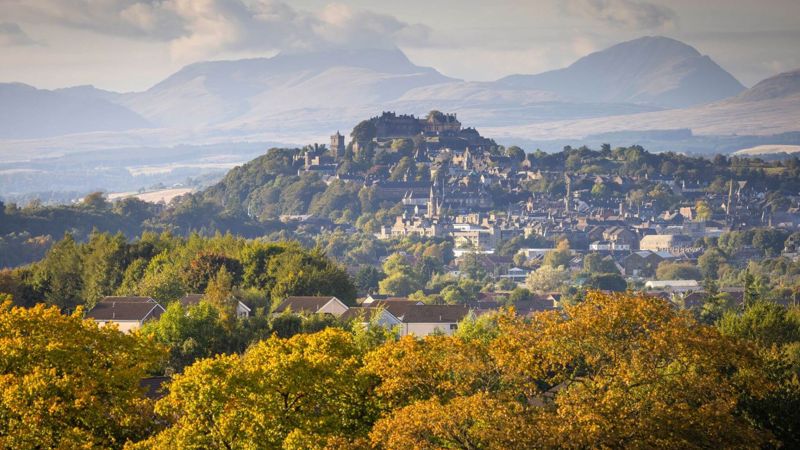
From there continue to Stirling Castle - arguably Scotland’s most historically significant castle. A number of Scottish kings and queens were crowned here - including Mary, Queen of Scots. The interiors are well restored, with a Royal Palace and Great Hall showcasing how Scottish royalty once lived. You can then continue to the National Wallace Monument, marking William Wallace’s (yes, the one from Braveheart) victory at the Battle of Stirling Bridge.
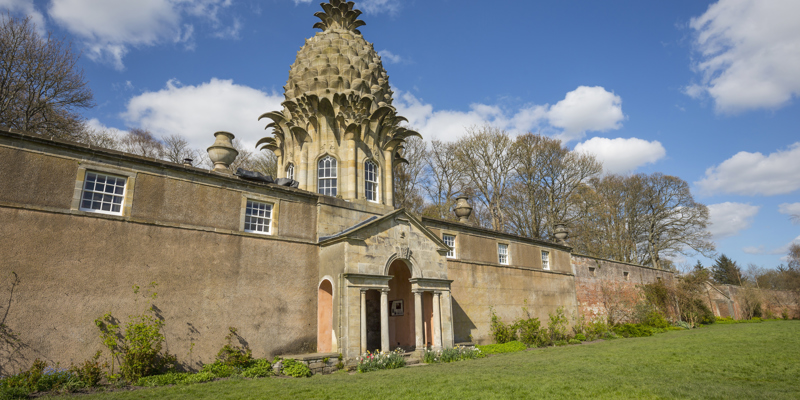
After spending your morning in Stirling head to the Dunmore Pineapple. The 18th Century folly, topped by a stone pineapple, reflects a unique part of UK history. Pineapples were once seen as a symbol of wealth, later leading to a pineapple craze in the Victorian period. The original glasshouses - which were used to grow pineapples - can still be seen in the grounds.
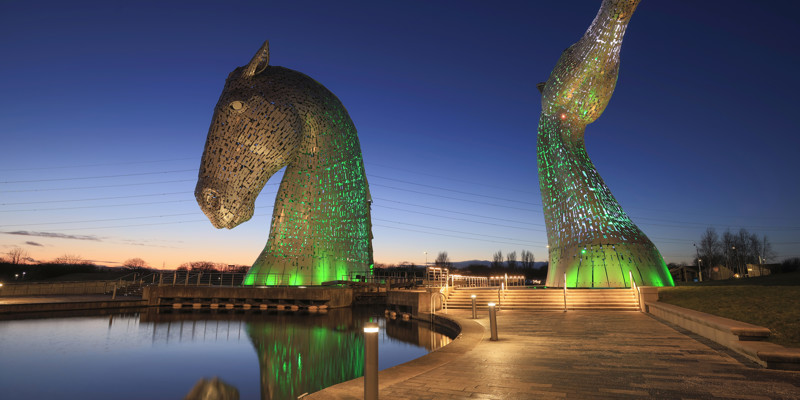
Continue to Falkirk where you can see the Kelpies - two horse statues towering over the M9. Designed by Andy Scott, this is a more modern monument from 2013. The surrounding park is a great place to stretch your legs and enjoy a coffee. You can also book a guided tour to learn more about the sculptures and the mythology behind them.
Next is Linlithgow Palace - the birthplace of Mary, Queen of Scots. The beautiful architecture is complimented by the peaceful nature surrounding the grounds. Make sure to visit the beautiful Great Hall and courtyard. Linlithgow Loch has an easy walking trail and is the ideal spot for a picnic.
On the way back to Glasgow you will find the Falkirk Wheel. It connects the Forth & Clyde Canal with the Union Canal - which are both on different levels. It is the only rotating boat lift in the world and you can book a trip on the canal as well as behind-the-scenes tours.
Other stops along the way: Stirling’s historic city centre has bars and restaurants, as well as a golf course. Blackness Castle is a short drive from Linlithgow, with gorgeous views jutting into the Forth. Bo’ness has a historic railway with the Museum of Scottish Railways next door. They also hold Bo’ness Fair on the last Friday of every June - Europe’s largest children’s fair which marks the emancipation of coal miners.
Driving time: 3 hours
Five Ferries
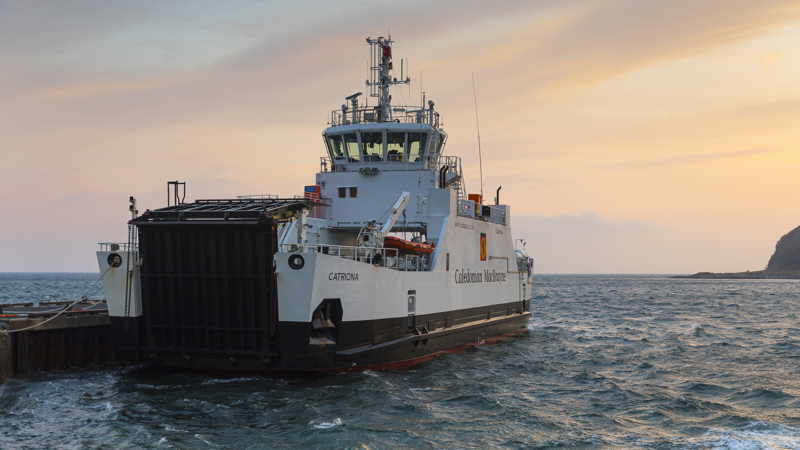
This road trip comes with the longest travel time due to the five ferry trips involved. Bute, Arran, Kintyre and Cowal could all make day trips in their own right, but this is a great option if you’re short on time. You need to book each ticket separately, but can do this in a single transaction at Calmac. Some people opt to leave the car at home and travel entirely by public transport and bike although this will take longer.
You can do this route either way round but the closest stop to Glasgow is Wemyss Bay. Take a quick look at the Victorian train station - which won the 2023 World Cup of Stations - before hopping on board the ferry to Bute. In Rothesay you can find Victorian men’s toilets, Rothesay Castle and Bute Museum.
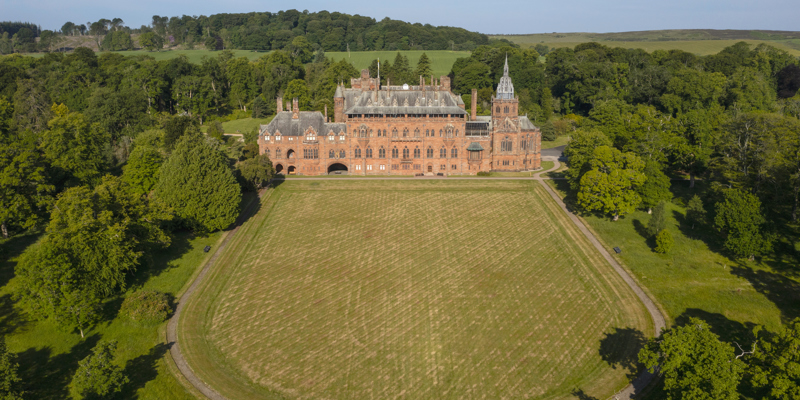
The quickest route to the next ferry at Rhubodach runs via Port Bannatyne. If you have more time you can head in the opposite direction and spend time admiring the astrology-inspired architecture at Mount Stuart and the beautiful views from the cafe at Ettrick Bay. The ferry to Colintraive is quick, and Caol Ruadh Sculpture Park is a unique open-air museum en route to the next ferry at Portavadie.
From Portavadie grab the ferry to Tarbert on the Kintyre Peninsula. There’s a castle ruin in Tarbert and great scenery on the road to Claonaig. The area is mostly known for the ferry terminal, but there are some great viewpoints for a picnic before getting your next boat.
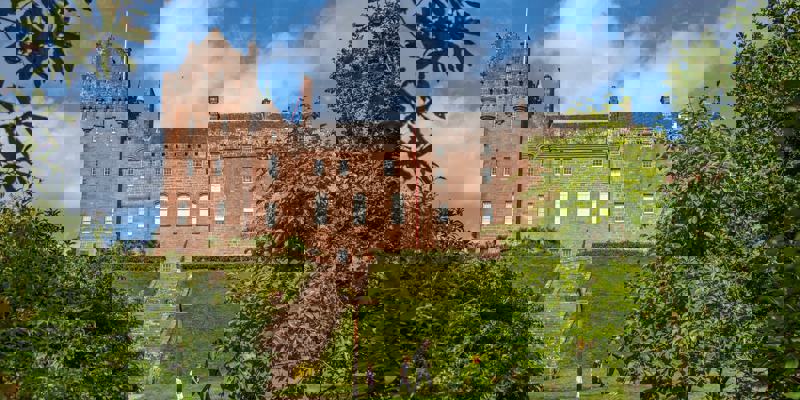
From Claonaig grab the ferry to Lochranza in Arran. We recommend taking the trip this way round as there is more to see on Arran and the ferry is well connected. Drive past Goatfell to Brodick, the main town on Arran. Here you can visit Brodick Castle, walk to Glenashdale Falls and grab some treats at Arran Cheese Stop. There’s also a whisky distillery at Lochranza, and you can take your samples home to safely consume after you’ve finished driving.
Other stops along the way: This is a long travel day so you likely won’t have time to see more, but you can learn more about Bute, Arran and the Ayrshire coast in unforgettable day trips from Glasgow. Keep a record of ferry times if you plan to spend some time sightseeing along the route - not only are Bute and Arran islands that rely on ferry connections, Cowal and Kintyre are long drives from Glasgow if you miss the last boat.
Driving time: 7.5 - 8 hours, including 4 hours on ferries
Map: Five ferries
Ayrshire Coast
The Ayrshire coast is a popular destination with Glasgow locals thanks to the beautiful beaches, historic attractions and golf courses. Clyde Muirshiel Regional Park spans from Inverclyde to South Ayrshire and is home to wildlife and peaceful parklands. This is an excellent summer road trip to get out of the city and catch a breeze.
Start by driving to Lochwinnoch, the gateway to the regional park. Here you can visit Castle Semple Loch for a morning picnic. The RSPB reserve is a great spot for birdwatchers, and Calder Mill Waterfall is just outside the town.
Largs is the first stop on the coast and a great place to learn about Scotland’s viking heritage. The Pencil is a monument on the scenic promenade built to commemorate the Battle of Largs - where Scotland repelled viking invaders. Vikingar! features interactive exhibits about the rich history of vikings in Scotland. Make sure to grab an ice cream from Nardini’s - a local institution - before continuing your trip.
Continue down the coast to Troon - a seaside town known for its stunning beaches. If you’re into watersports such as paddleboarding and kitesurfing there are plenty of options here in the summer. It’s also known for its seafood scene, so plan to arrive around lunchtime.
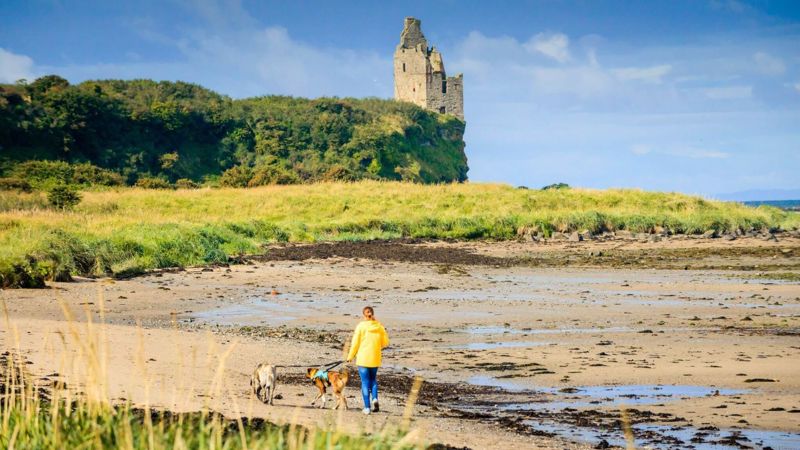
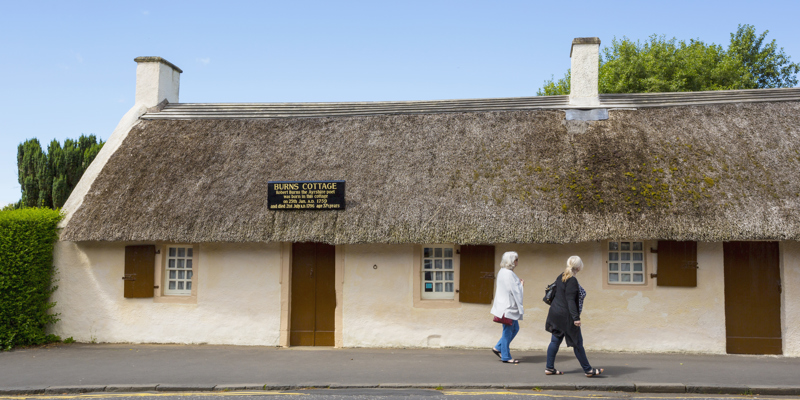
After lunch head to Ayr where there is another excellent beach with a castle at the end. You can either drive straight to Greenan Castle or enjoy a coastal walk to get some fresh air. Just outside the town you’ll find Burns Cottage - the birthplace of famous poet Robert Burns.
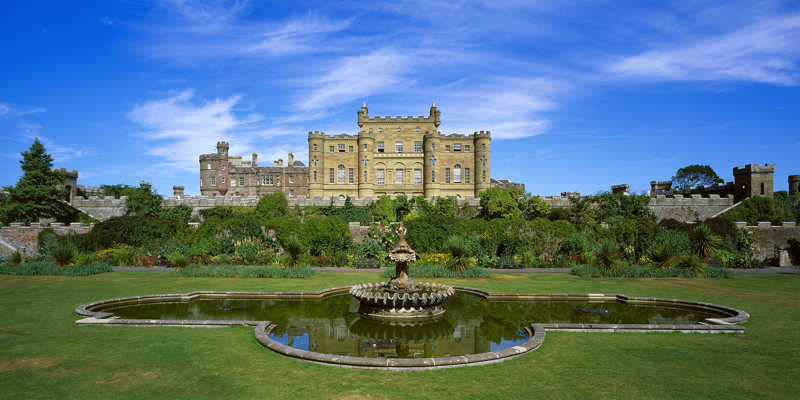
On the way to the next stop you’ll drive up Electric Brae. This is an optical illusion where if you hit the brakes it looks like the car is moving. You can then continue to Culzean Castle, a magnificent cliff-top castle designed by Robert Adam. You should plan to spend at least an hour there.
Finally head to Girvan, another popular beach on the coast. From here you can enjoy views of Ailsa Craig - a small island where most of the world’s curling stones come from. There are also boat trips during the spring and summer where you can get close to the island and view the gannet colonies.
Other stops along the way: You can take the longer route via Wemyss Bay to see more of Clyde Muirsheil Regional Park. Kelburn Castle is home to walking trails, play parks and events and is just outside Largs. If you’re interested in golf there are a few world-class courses along the route. You can also take the ferry to Cumbrae from Largs, find timetables at Calmac.
Driving time: 4 - 5 hours, depending on route
Map: Ayrshire Coast
Galloway Forest Park
Just south of Glasgow you will find the largest forest park in the UK. Galloway Forest Park has a lot to offer - and this road trip could easily be split into two parts to give you more time to take it all in. This is a good road trip from Glasgow for cyclists, wildlife enthusiasts and stargazers. Plan your trip and keep an eye on safety notices at Forestry and Land Scotland.
On your way to the forest park stop at Crawick Multiverse. This is an art installation designed by Charles Jencks. The work is inspired by cosmology with winding landforms and standing stones. Over 2,000 boulders were used to design the site which serves as a modern homage to Scotland’s megalithic past.
Turn off at Clatteringshaws and take the Raiders Road Forest Drive. This is a two way scenic route through the forest with plenty of picnic spots and scenic areas. There is a 40km walking trail around Loch Ken - if you have the time you can spot red kites flying through the trees. If not, the Bennan Viewpoint car park is also a great spot for sightings.
On the way to Kirroughtree stop at the Red Deer Range - where there is a viewing area and hide for spotting the majestic creatures. At Kirroughtree there is the Wild Watch Hide where you might spot red squirrels and feeding birds. Pine martens can also be found in the area - an important species, related to ferrets, that help preserve the red squirrel population.
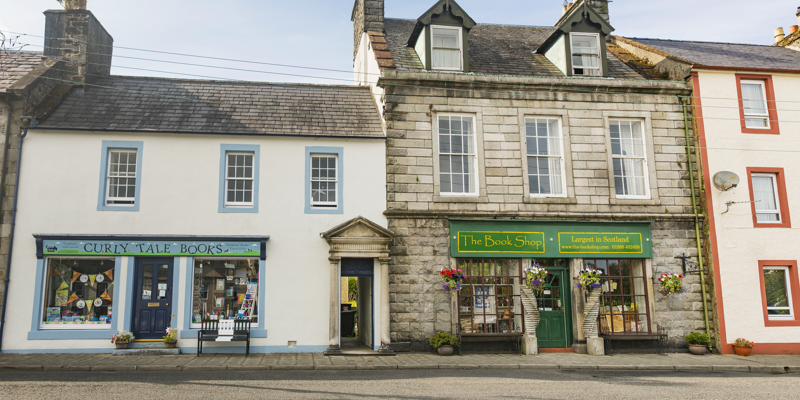
Wigtown is a worthwhile detour on the Galloway coast. Known as Scotland’s National Book Town, it is home to the largest second-hand book shop in the UK. If you’re visiting in late September they also host the Wigtown Book Festival.
Glentrool is an excellent spot for walking trails and cycling. The Merrick, southern Scotland’s highest point, takes about 6 hours to climb - with views towards the Isle of Man and Ireland on clear days. There’s also an easier walking trail around the base. Glentrool is also one of the 7stanes mountain bike centres with trails to suit all levels.
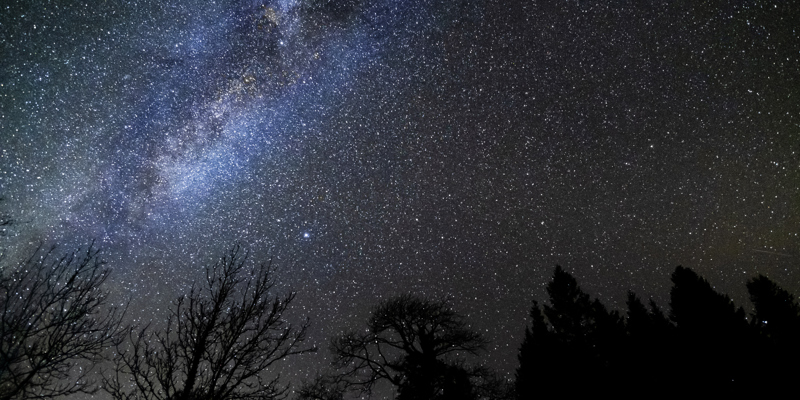
From here you can continue onwards to Glasgow - however if the skies are clear it’s worth staying until after sunset. Galloway is home to the UK’s first International Dark Sky Park. Light pollution is controlled in the area to preserve views of over 7,000 stars and planets. You can grab a guide to constellations at Kirroughtree. Learn more about the park, including a podcast developed alongside Glasgow Science Centre, at Forestry and Land Scotland.
Other stops along the way: Talnotry is home to a famous waterfall and monument dedicated to Alexander Murray - a linguist from the area. You can also visit Ayr on the way back to enjoy coastal views and learn more about Robert Burns.
Driving time: 6 - 7 hours
Map: Galloway Forest Park
Argyll
Argyll is a popular destination with Scottish locals but a little off the beaten path for most tourists. It offers breathtaking scenery with multiple lochs, mountains and forested areas. You’ll also discover whisky distilleries and ancient monuments along the route, as well as adventure activities and wildlife like golden eagles and deer.
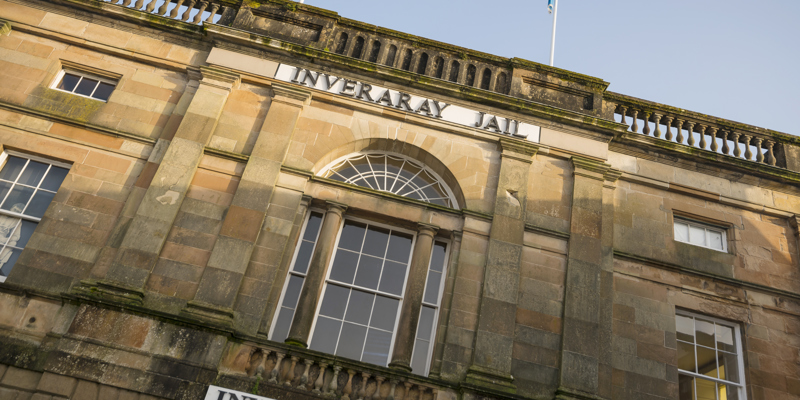
Drive along west Loch Lomond and turn onto the A83 at Arrochar. The first stop is Inveraray Castle - where the Chief of Clan Campbell once called home. Nearby Inveraray Jail is an award-winning museum about life in Victorian prisons. Dun na Cuaiche Watchtower is a 2-hour walk, and a little strenuous, but worth it for views of Loch Fyne. Inveraray is also a great option for souvenir shopping, with Loch Fyne Whiskies and Inveraray Woollen Mill in the heart of the town.
Further down the shores of Loch Fyne is Minard Castle. Dating back to the 18th Century, the castle itself is reserved for weddings and private functions but you can enjoy the beautiful gardens before continuing on your journey.
Lochgilphead offers peaceful nature and local wildlife. Beavers were first reintroduced to Scotland in 2009 and you can spot them for yourself on the Scottish Beaver Trail at Argyll Beaver Centre. Nearby Kilmartin Glen has over 350 prehistoric monuments and Dunadd Fort - where ancient kings of Scotland were crowned. Crinan Canal is a good stopover for cyclists.
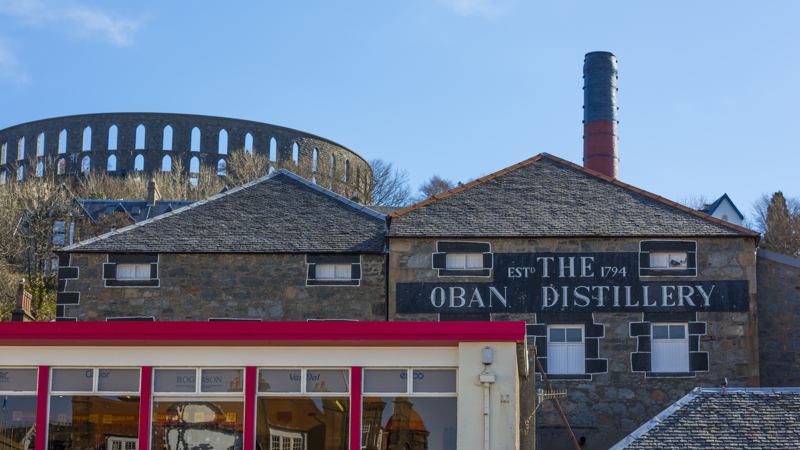
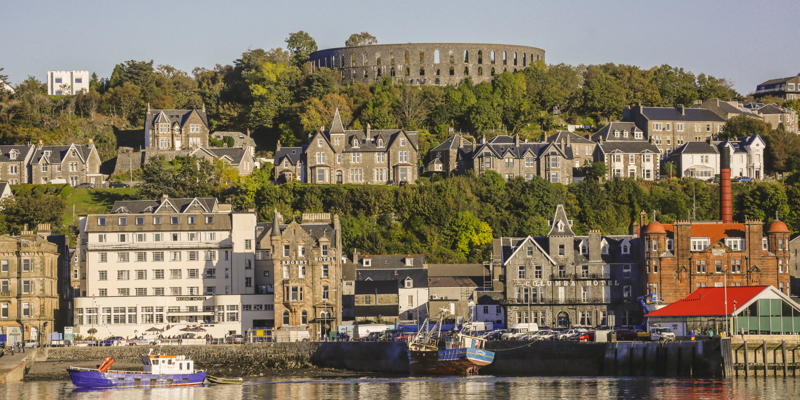
The final stop is Oban - the gateway to the Hebrides. The town itself is known for its thriving seafood scene, making it a great lunch spot. Oban Distillery offers tours and tastings, though you’ll need to take your sample home if you’re driving. McCaig’s Tower looms over the town with panoramic views of the harbour. You can also enjoy sea kayaking from the town.
Other stops along the way: Other than Oban, sea kayaking is also available at Adrishaig near Lochgilphead. You’ll drive past Loch Awe where there are plenty of great viewpoints. You can also visit some of the towns on west Loch Lomond.
Driving time: 6 - 6.5 hours
Map: Argyll
Perthshire
Perthshire is a laid-back region steeped in history with scenic forests. The northern end serves as the gateway to the Cairngorms, and the tree-filled villages are a popular destination during the autumn to capture the changing leaves. Scotland is a relatively small country, so even this north east destination can be accessed within a couple of hours by road.
Drive straight to Perth to steep yourself in Scotland’s royal history. Scone Palace was once the crowning site for ancient Scottish Kings. It was damaged during the Scottish Reformation and rebuilt in the Gothic revival style. The beautiful grounds also contain a maze. In the city itself Perth Museum - which was shortlisted for Museum of the Year in 2025 - houses the Stone of Destiny. You’ll need to book in advance (for free) to see this iconic piece of Scottish history.
Dunkeld is considered Perthshire’s gateway to the Highlands and is also home to a surprising foodie scene. Head to Aran Bakery for lunch and a loaf to bring back with you. There’s a Scottish Wildlife Trust reserve where you can spot ospreys and red squirrels, and neighbouring Birnam is home to the famous Birnam Oak from Shakespeare’s Macbeth.
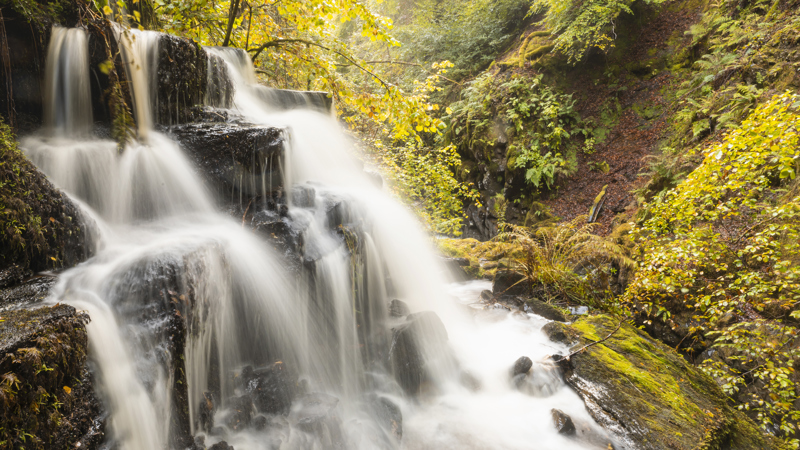
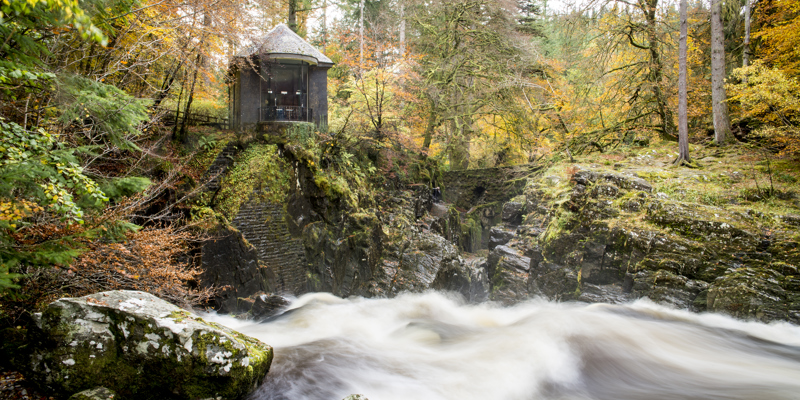
Just outside the town is the Hermitage - the crowning jewel of Perthshire’s forest trails. Plan a couple of hours to take the full trail so you can admire thundering waterfalls, lofty Douglas firs and a 1757 folly with sliding panels and mirrors to create illusions.
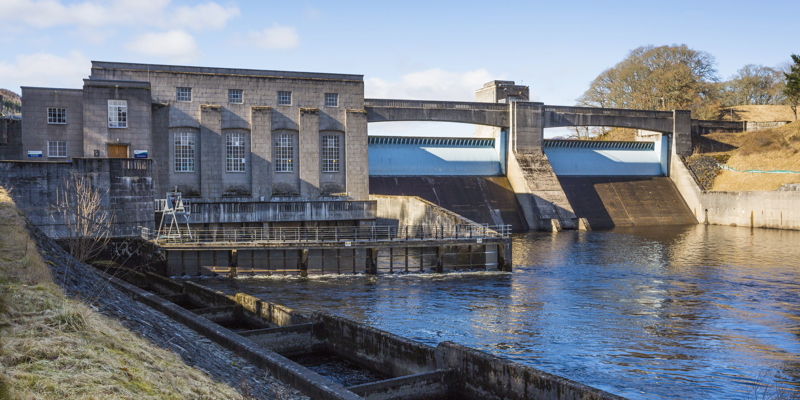
Next drive to Pitlochry, a small tourist town that received personal endorsement from Queen Victoria in 1842. The Pitlochry Dam is an impressive monument to Scottish engineering, with a fish ladder helping salmon bypass the dam. There are some great walking trails around the dam and it’s a popular spot with cyclists. They host regular events throughout the year, including the summer season at Pitlochry Festival Theatre.
Discover more walking trails at Aberfeldy, with lochs and birch trees that inspired Robert Burns. Grab some souvenirs and a quick coffee at the Watermill, before taking a tour of Dewar’s Distillery. If you have the time, Castle Menzies was once inhabited by Bonnie Prince Charlie, whilst Loch Tay is a popular watersports hub.
Other stops along the way: If you’re looking for a full-on excursion taking in Scottish history this could easily be combined with a trip to Stirling. Gleneagles, one of Scotland’s most famous golf courses, is on the route and there’s a fine dining restaurant in the hotel. Alternatively keep following the A9 after Pitlochry to explore the Cairngorms National Park.
Driving time: 4 - 5 hours
Map: Perthshire
Last updated: July 2026